


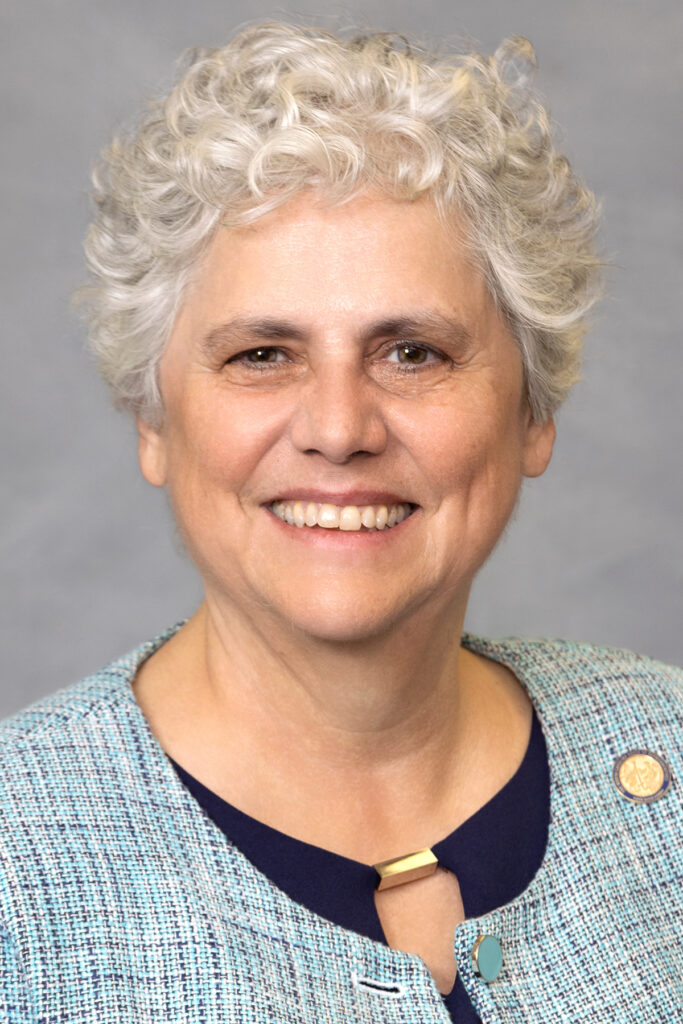
Rep. Sarah Stevens resigned her District 90 seat to “devote [her] full time and energy” to running for a N.C. Supreme Court seat this fall.
The Surry County Republican stepped down as of noon on June 16. She is in the midst of her ninth term — a longer tenure than all but seven current House members — and also represents Wilkes County.
Stevens chairs the House’s Judiciary 2 committee and co-chairs its Elections committee. She is a past speaker pro tem and first won office in 2008 by edging former Rep. Jim Harrell, D-Surry, by 306 votes in that year’s general election.
“It has been one of the greatest honors of my life to serve the people of North Carolina in the House,” she says.
Stevens faces incumbent Justice Anita Earls in this fall’s election. Theirs is second only to the Roy Cooper-Michael Whatley battle for a U.S. Senate seat as the most closely watched statewide race.
Earls is one of two Democrats on the Supreme Court. The other, Justice Allison Riggs, won re-election in 2024 by 734 votes.
A poll conducted in mid-May for the John Locke Foundation found that Earls was leading Stevens 41.3% to 35.6% among those surveyed.
The same poll saw Cooper as the preferred candidate of 49.8% of those surveyed, versus Whatley’s 38.7%.
Through the first quarter of 2026, Earls had raised almost $2.5 million for her campaign, according to her report to the State Board of Elections. Stevens had raised $245,620.
Those numbers are just for the candidates’ own fundraising and don’t take into account so-called “dark money” independent spending or the parties’ spending.
Republican leaders in Surry and Wilkes counties will pick Stevens’ replacement for the remainder of 2026. Surry County has 80.9% of the district’s population.
It’s common for party leaders to elevate their general-election nominees ahead the fall ballot. Former State Highway Patrol trooper Dan Kiger is the GOP standard-bearer this fall; he faces Democratic nominee Ken Badgett.
